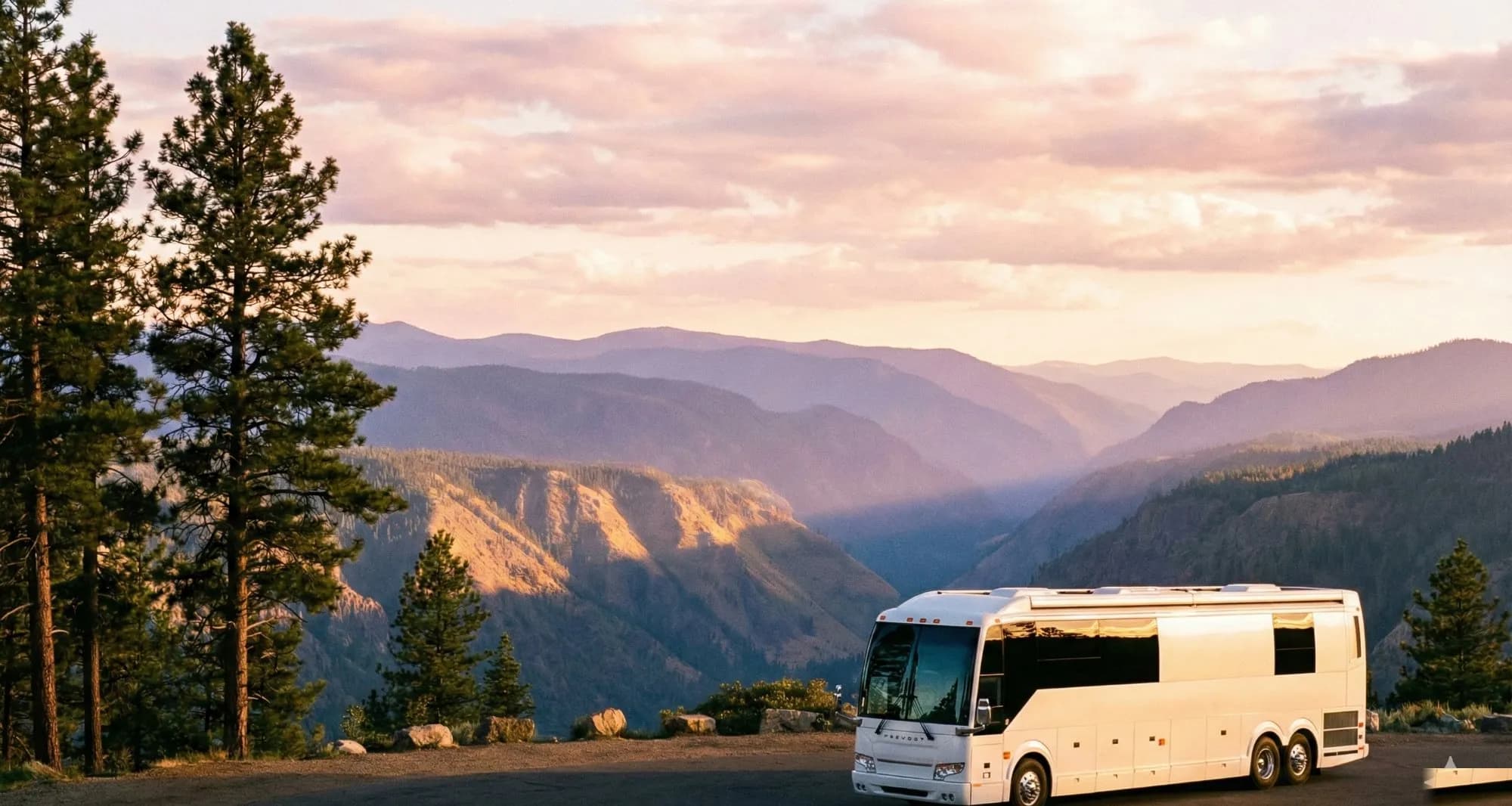

The Route: Arizona–Utah–Nevada Loop
The Watchman Campground at Zion National Park books solid for May weekends by mid-February — that's the single most common Southwest trip-planner surprise, and knowing it upfront can save your whole loop. The classic circuit runs roughly 2,500–3,000 miles depending on detours, and you'll want at least 2–3 weeks to not feel rushed through the big parks.
The basic spine: enter Arizona from the east (I-40 or I-10), push north through Tucson and Phoenix toward the Grand Canyon, then east into Utah through Zion and Bryce, across to Capitol Reef and Arches/Canyonlands, through the Moab area, then back through Nevada or down through New Mexico. Your exact path will shift depending on where you're starting and what you can't miss — this is just the frame to hang everything on.
Timing: Spring and Fall Are the Windows
The Southwest is brutally hot in summer. June–August temperatures in Tucson, Phoenix, and the low-elevation canyon country regularly exceed 105°F — genuinely dangerous for pets, and many RV systems (AC units, refrigerators) struggle to keep up with extended extreme heat.
If you have to go in summer: stick to the elevation — Flagstaff at 7,000 feet, Sedona, the higher Utah plateaus — and target early mornings and evenings in the canyons.
Spring (March–May) and fall (September–November) are where this loop shines. Comfortable temps at all elevations, wildflower blooms in spring, fall color up high. Spring is busier, especially at Zion and the Grand Canyon South Rim. Fall is often the smarter call — similar weather, shorter reservation queues, and the crowds thin noticeably after Labor Day.
Park-by-park timing: Zion and Bryce are essentially year-round but peak hard in spring. Arches and Canyonlands are best April–May and September–October. The Grand Canyon South Rim has real crowds every single month — there is no off-season there.
Campground Strategy
I learned this one the hard way: spring at Zion means competing for reservations against people who started planning in January. Watchman Campground (Zion), North and Sunset Campgrounds (Bryce), Mather Campground (Grand Canyon South Rim), and Moab Valley RV Resort near Arches all require advance booking at recreation.gov — often months out for any prime-season weekend.
Outside national parks, BLM land in southern Utah and the canyon country around Moab opens up some outstanding free camping. Established dispersed areas are signed off Highway 191 near Moab — legal, scenic, and a short drive from Arches. Dead Horse Point State Park is a beautiful backup when Canyonlands' campground is full, and the overlook there might be the single best view on the whole trip.
In Arizona, Kartchner Caverns State Park near Benson, Catalina State Park north of Tucson, and the Cave Creek area north of Phoenix all make solid base camps through the Tucson/Phoenix corridor.
Key Stops by Region
Arizona: Saguaro National Park (East and West units, Tucson), Chiricahua National Monument, Petrified Forest, Painted Desert, Monument Valley, Sedona (day trip from a Flagstaff base works well), Grand Canyon South Rim.
Utah: Zion National Park (non-negotiable), Bryce Canyon, Capitol Reef (seriously underrated — typically a fraction of Zion's crowds with scenery that holds its own), Arches, Canyonlands, Goblin Valley State Park, Dead Horse Point. Highway 12 between Bryce and Capitol Reef is one of the most scenic drives on the continent — don't rush it.
Nevada: Valley of Fire State Park outside Las Vegas is one of the best state parks in the country, and most Southwest loops skip it entirely. Vivid red sandstone formations, petroglyphs, an excellent campground — and it typically draws a fraction of Zion's foot traffic. Death Valley is technically California but easily accessible from the Nevada side.
New Mexico: White Sands National Park (gypsum dunes that look like another planet), Carlsbad Caverns, Bosque del Apache Wildlife Refuge (the November crane and geese migration is worth building a trip around), Santa Fe and the Rio Grande corridor.
Practical Southwest RV Notes
Elevation swings are massive and happen fast — Tucson sits at 2,400 feet, Flagstaff at 7,000, Bryce at 8,000+. That's a 3–4°F temperature drop per 1,000 feet of gain. Pack real layers for the Utah parks even in May; cold nights at elevation will burn through your propane faster than you expect.
Fuel planning is not optional out here. The Southwest has long stretches between stations — know your range and don't pass a pump if there's any doubt. Grand Canyon Village gas runs significantly higher than the surrounding area, so fill up in Williams, AZ before you make the climb.
Slot canyon tours, horseback rides, and guided river trips book out weeks ahead in season. Lock those in before you leave home, not after you roll into the campground and start asking around.
Ready to Plan Your Trip?
Put this knowledge to work. Let our AI build a personalized RV itinerary for your next adventure — or browse community trips for inspiration.
Keep Reading
RV Camping in the Appalachian Mountains: Blue Ridge, Shenandoah, and Beyond
10 min read
Destination GuidesGrand Canyon RV Camping: South Rim vs. North Rim (and What Each Actually Looks Like)
9 min read
Destination GuidesEastern Canada RV Road Trip: Nova Scotia, PEI, New Brunswick, and Beyond
11 min read